The world of crypto is full of innovation — but it’s also full of imposters. One of the most dangerous trends today is the rise of fake crypto apps, wallets, and exchanges designed to trick users into handing over their assets. These scams are becoming increasingly sophisticated, often mimicking trusted brands or claiming to be regulated in places like Switzerland, Singapore, or Dubai.
Below are the five most common crypto platform scams and how to avoid them.
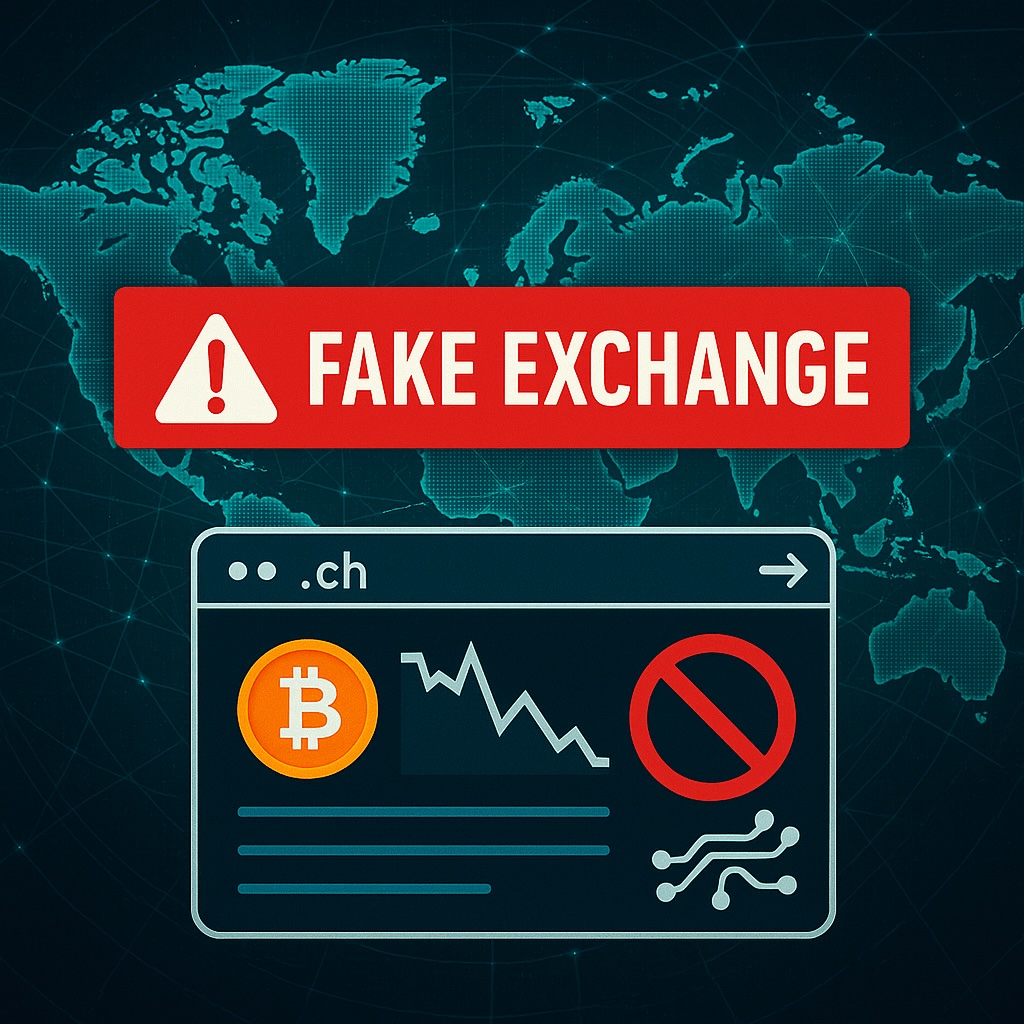
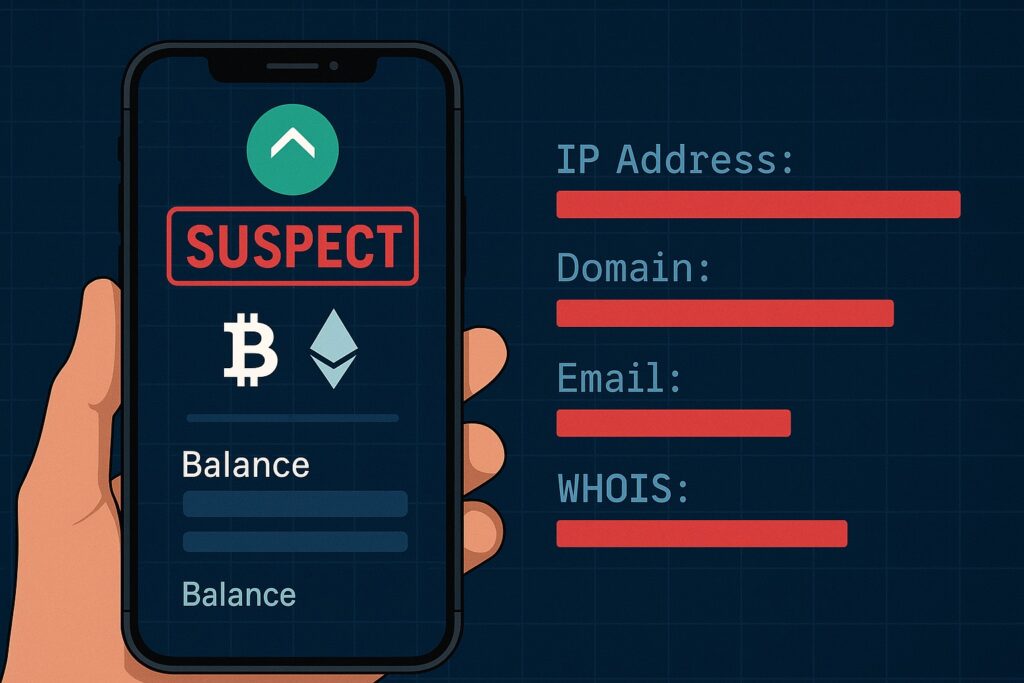
Fake Wallet & Fake Exchange Apps
Scammers build apps and websites that look identical to legitimate platforms. Victims think they’re depositing funds into a real exchange — but the balance is only a simulation. No actual trading occurs.
Red Flags
- Domains that look legitimate but aren’t (e.g., “binance-us.pro” or “coinbase-security.net”).
- Apps downloaded outside the official Apple or Google stores.
- Requests for seed phrases, passwords, or private keys.
How to Stay Safe
✔ Verify URLs
✔ Only download through official app stores
✔ Never share seed phrases with any site or person
Phishing dApps & Approval Scams
In this scam, users connect their wallet to a decentralized app (dApp) that seems like a trading platform, NFT marketplace, staking program, or lending service. Once connected, the dApp prompts users to approve a token spending limit, giving the attacker control over their wallet.
Red Flags
- Promises of high yield staking or “secret investment platforms”
- “Approve” request without clear explanation
- Only works if you connect a wallet (MetaMask, Trust Wallet, Ledger, etc.)
How to Stay Safe
✔ Always review permissions before signing
✔ Revoke unused token approvals regularly (use Revoke.cash, Etherscan, etc.)
✔ Avoid unknown staking links sent through DMs
Malicious Smart Contracts
Some dApps install smart contracts that appear legitimate, but contain hidden code to drain wallets, redirect transactions, or lock funds.
Red Flags
- Unverified smart contracts
- No publicly available source code
- Not listed or reviewed on trusted block explorers
How to Stay Safe
✔ Never sign blind transactions
✔ Only interact with audited apps (CertiK, Hacken, OpenZeppelin audits)
Rug Pulls (Tokens & DeFi Projects)
Developers launch a token, liquidity pool, staking platform, or DeFi protocol, attract hype — and then pull all funds and disappear. The token becomes worthless instantly.
Red Flags
- Anonymous dev team
- Liquidity NOT locked
- No roadmap or legal entity
- Overhyped Telegram/Discord communities
How to Stay Safe
✔ Verify liquidity lock status
✔ Avoid tokens with anonymous teams
✔ Use trusted launchpads and audited projects only
Pig Butchering + Fake Exchange
This is one of the most profitable scams for criminals today. A scammer grooms a victim over weeks or months, then convinces them to invest through a fake private exchange, often with a Swiss, Singapore, or Hong Kong-sounding domain.
Once the victim deposits funds into the fake exchange, they’ll see “profits” on their dashboard — until they try to withdraw. That’s when scammers demand additional taxes, fees, or verification deposits before disappearing.
Red Flags
- Online relationships or investment tips from strangers
- Pressure to move funds to a “private exchange”
- Requests for more money to unlock withdrawals
How to Stay Safe
✔ Never invest through private links sent in chats or messaging apps
✔ Research platforms on CoinMarketCap and official app stores
✔ Seek an independent third-party validation before investing
If You’ve Been Scammed — Act Quickly
Victims often feel embarrassed — but speed is critical. The longer you wait, the harder it becomes to trace and recover funds. At BlockDivers, we specialize in:
🔎 Tracing stolen crypto on-chain
👤 Identifying scam networks & operators
📄 Creating evidence-grade reports for law enforcement
⚖️ Assisting victims with legal referrals and asset recovery
You are not alone, and action is possible.
Need help or suspect a scam?
Visit BlockDivers.com or contact us for a free consultation.